Day 2 continued
After leaving Little Bighorn we continued our quest to see more state parks. Rosebud earlier that day was unmanned so we put our $5 in an envelope and slid it in a box. Then discussed how this was going to break us if we paid five bucks at every little waystop state park. But we moved on from Little Bighorn to Pictograph State Park. This had a small visitor center with a real person where we saw a sign for a non-resident annual pass to the state parks. Scott did some quick mental math because he’s just good like that, and figured it was a worthwhile deal because we had several parks in the pipeline. That was quite the experience for the summer help. Apparently non-residents do not purchase Montana State Park annual passes. Ever. (At later stops with rangers we had to assure them repeatedly that we had a sticker on our car window. Fortunately, most rangers turned out to be trusting souls, although one was unaware the state even offered such a thing. So fun to be a complete anomaly. Later in the trip I took a picture of the sticker with my phone for proof.)
Armed with our new pass, we hiked the short, but steep trail to the cave. There was a sign up saying to be careful because a rattlesnake had been seen on the trail earlier in the day. Scott’s response: Cool! Another lady’s response: No way am I going up there! Being brave adventurers, we started up. That couple did not. Soon we saw them following us escorted by the ranger with a snake-catching pincer-thing. So we got free patter in the cave. Score!

The cave was fascinating. It had red and black drawings on the walls, but the black ones are harder to see because there is seepage on the back wall which dries white and obscures the drawings. He said they are much easier to see when the cave is wet because the walls are dark.

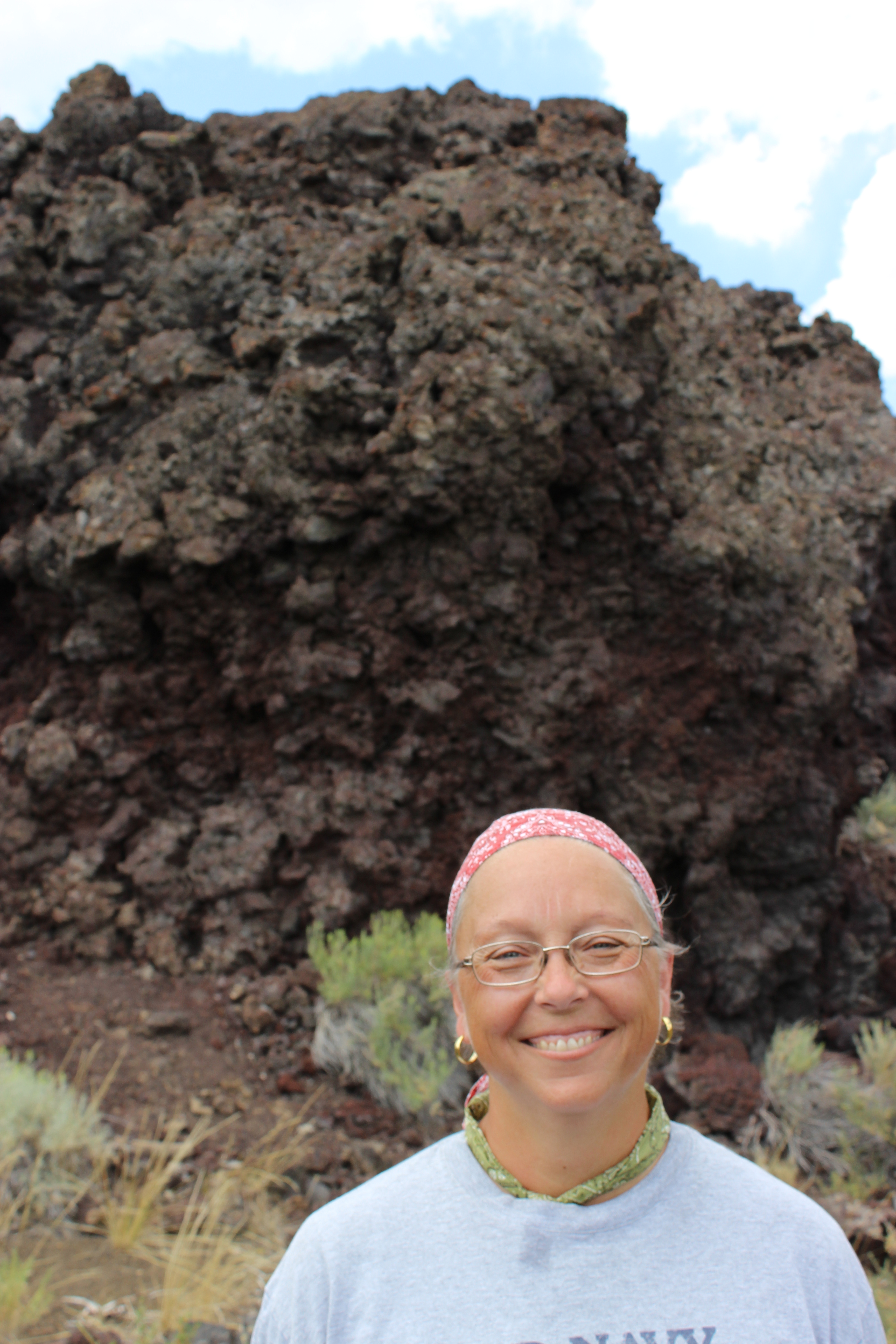
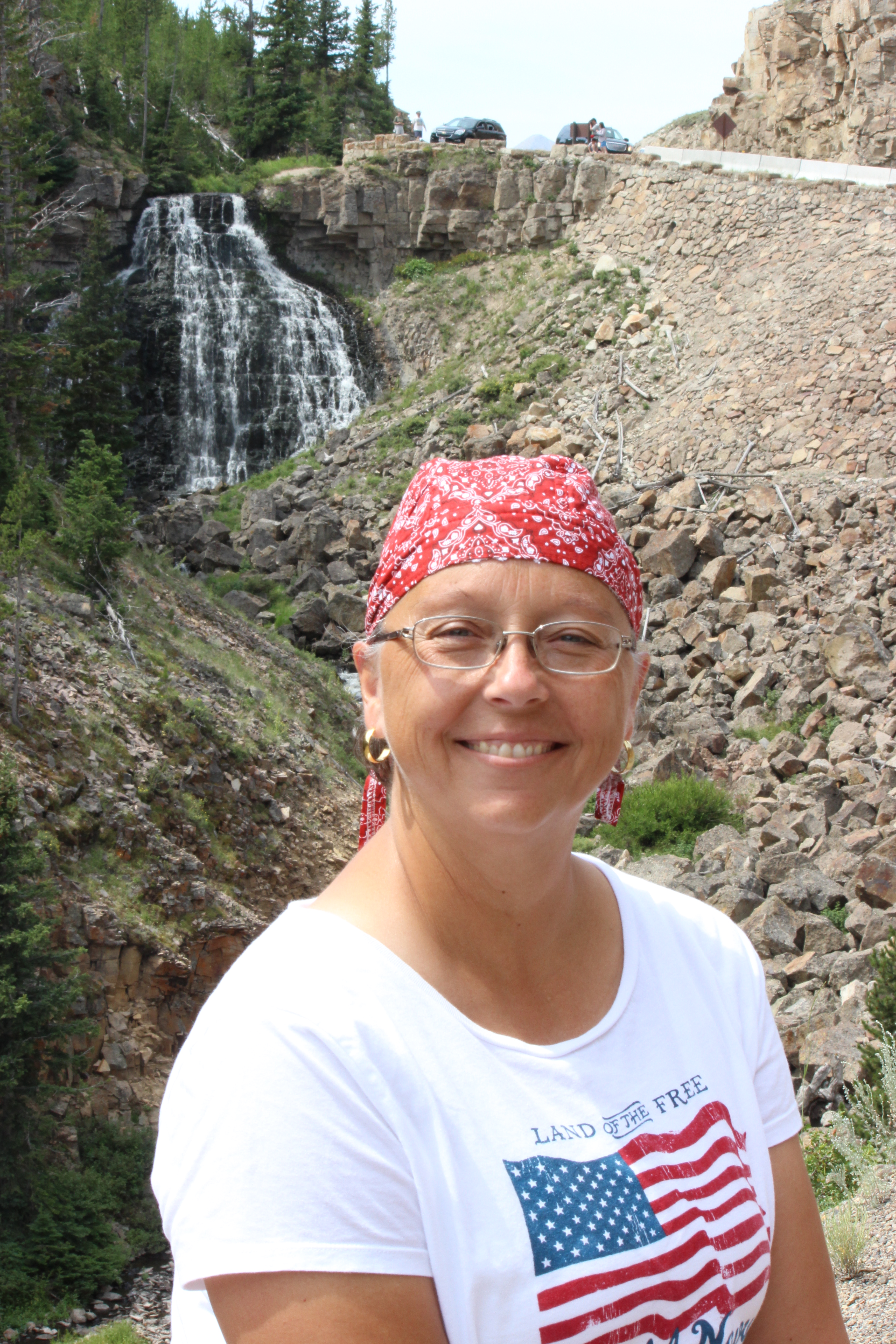
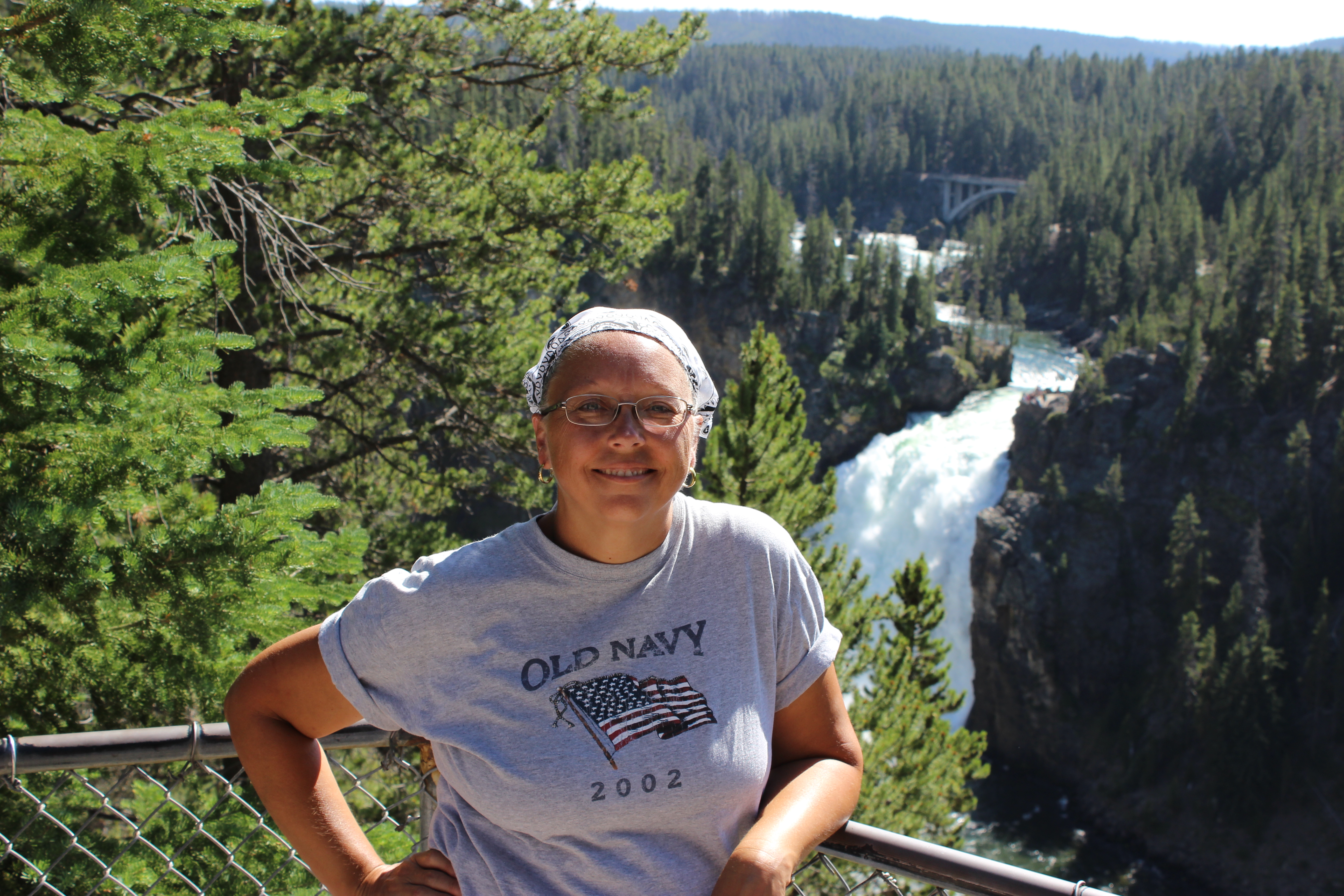
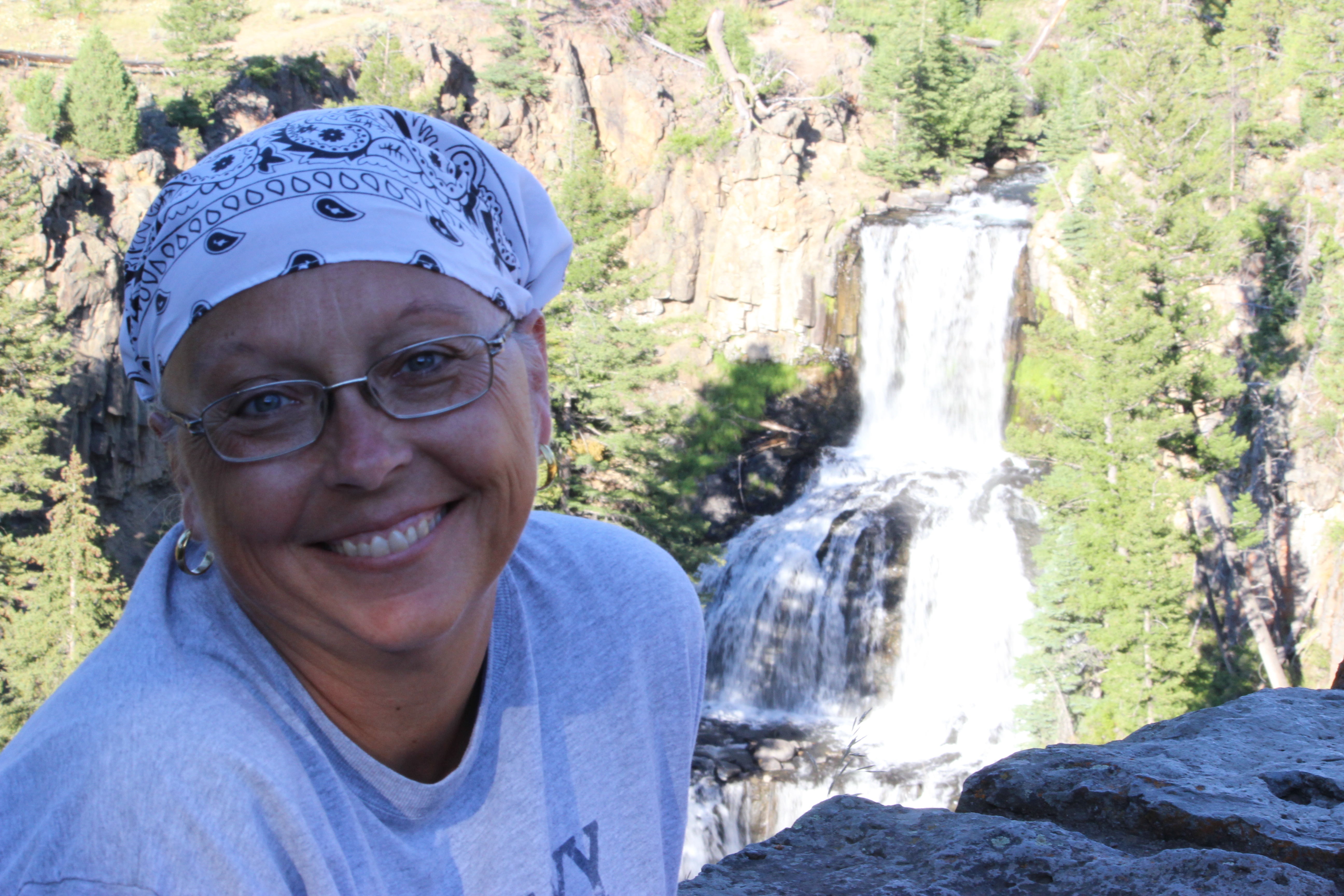
We then hiked over to the Ghost Cave and got a glamour shot of me in a secluded shade area which was pretty and only lasted for a few feet, but was a nice break from the heat.

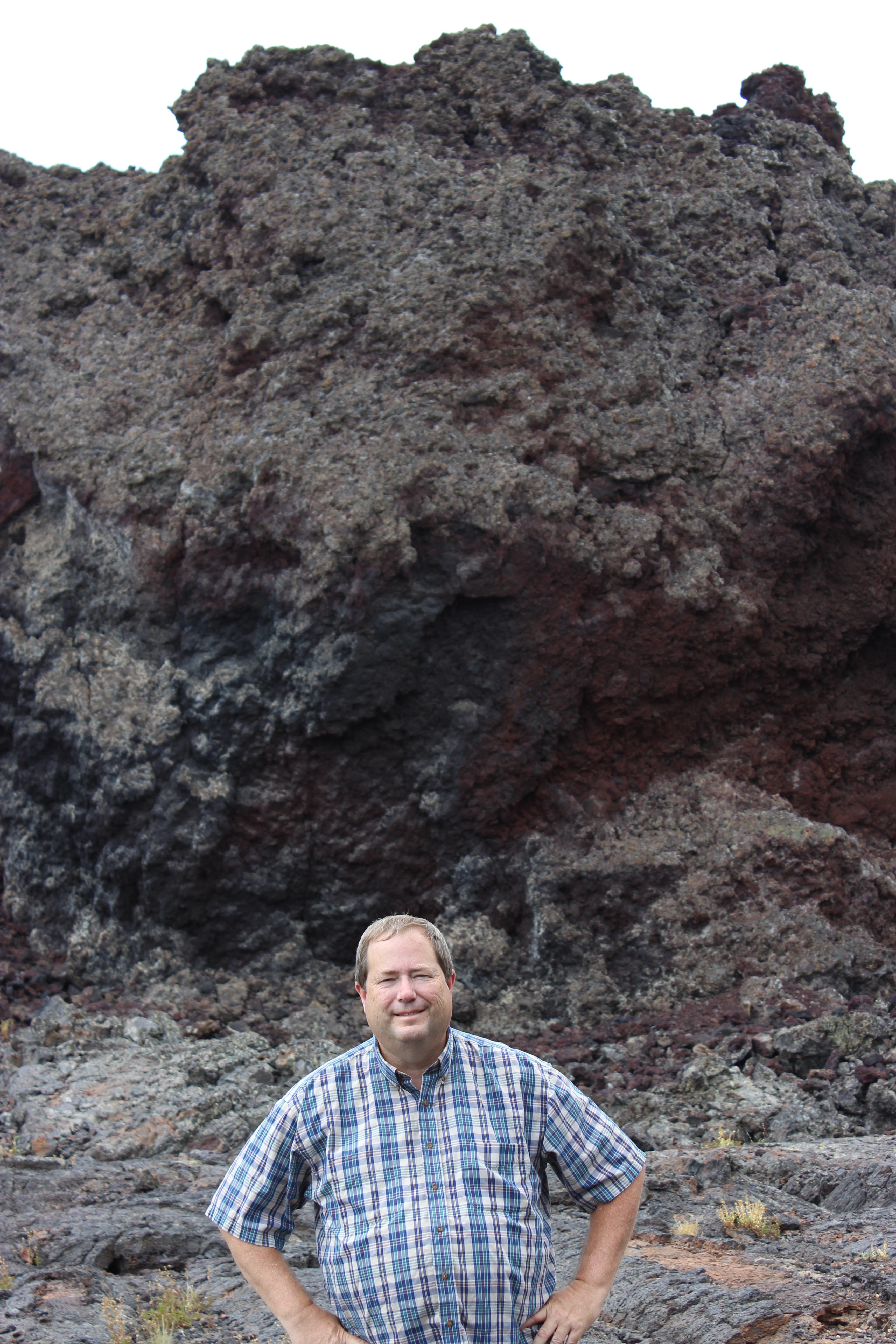
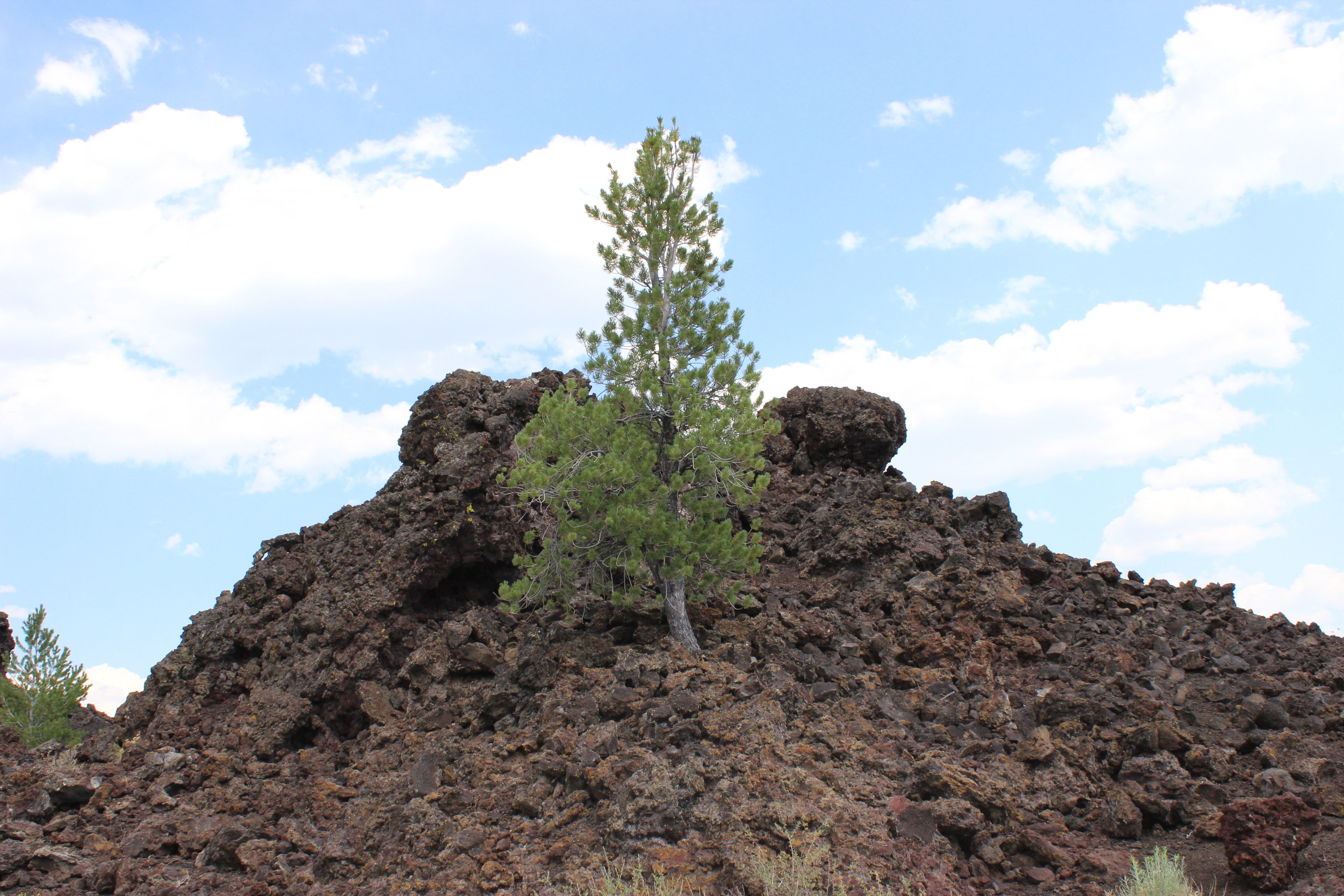
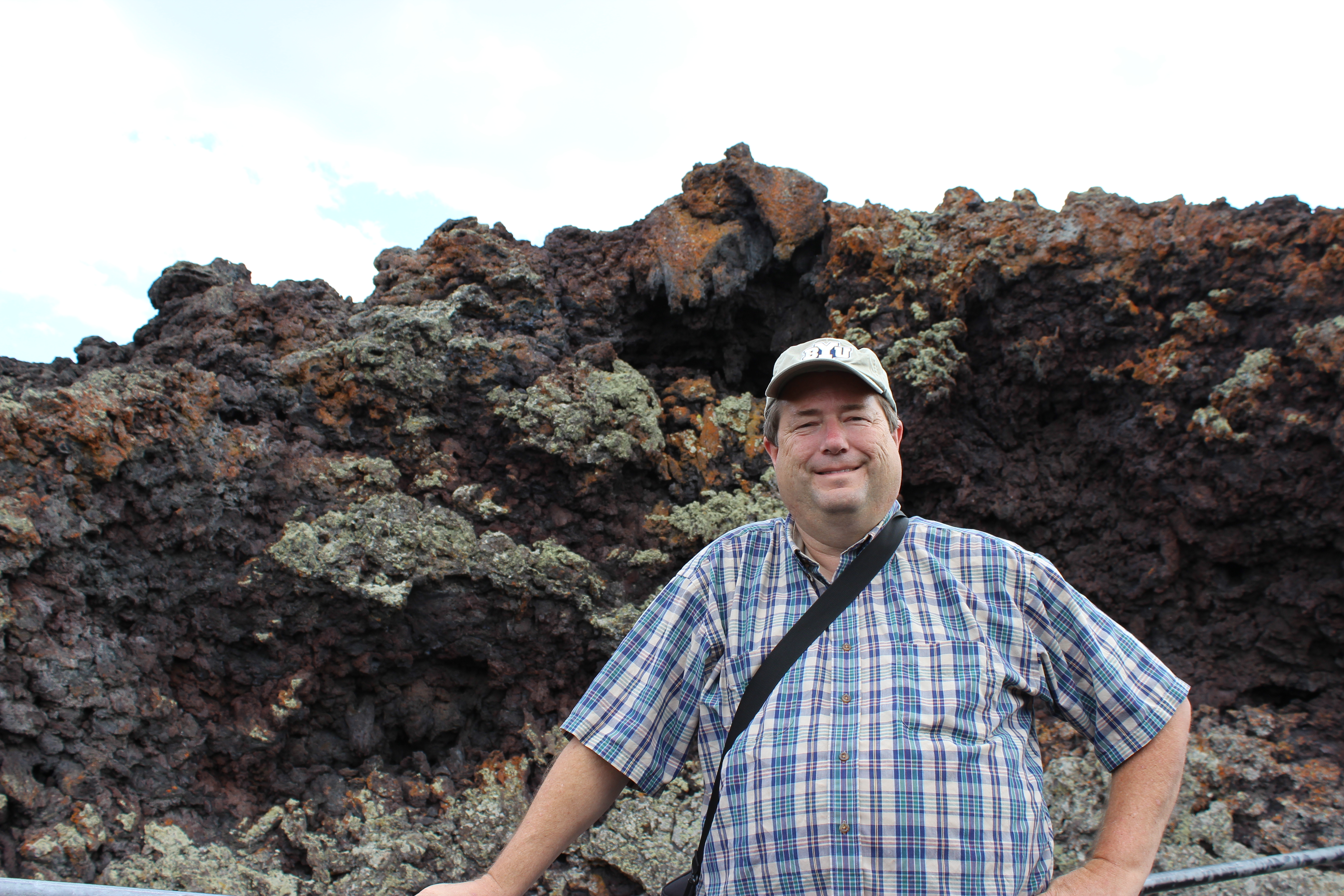
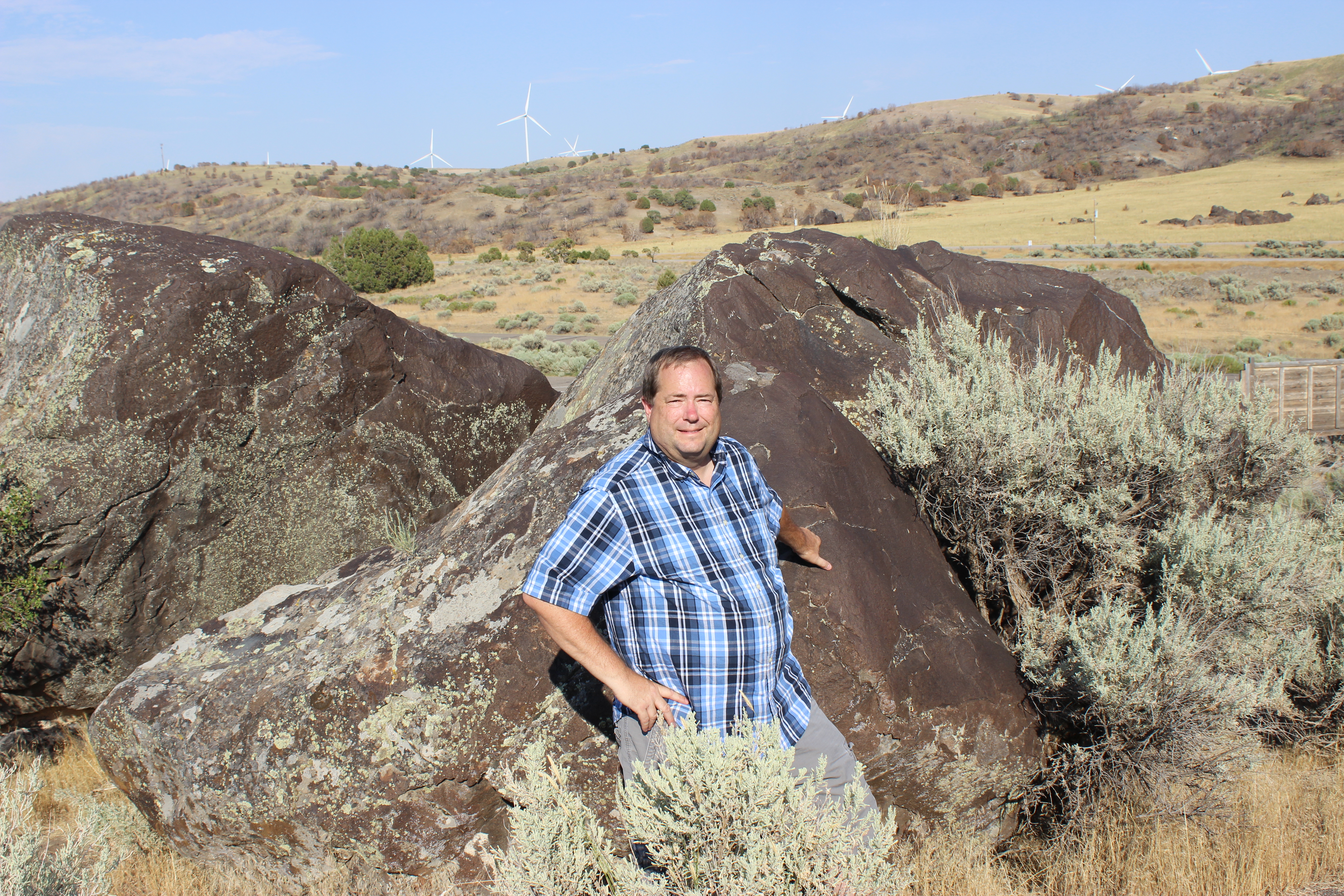
Ghost Cave had a series of concretions, which are snowball-like rock growths over ancient clam shells. Photos of Scott with geologic formations whenever possible as he endures my historical forays with good grace.


Day One- Wyoming
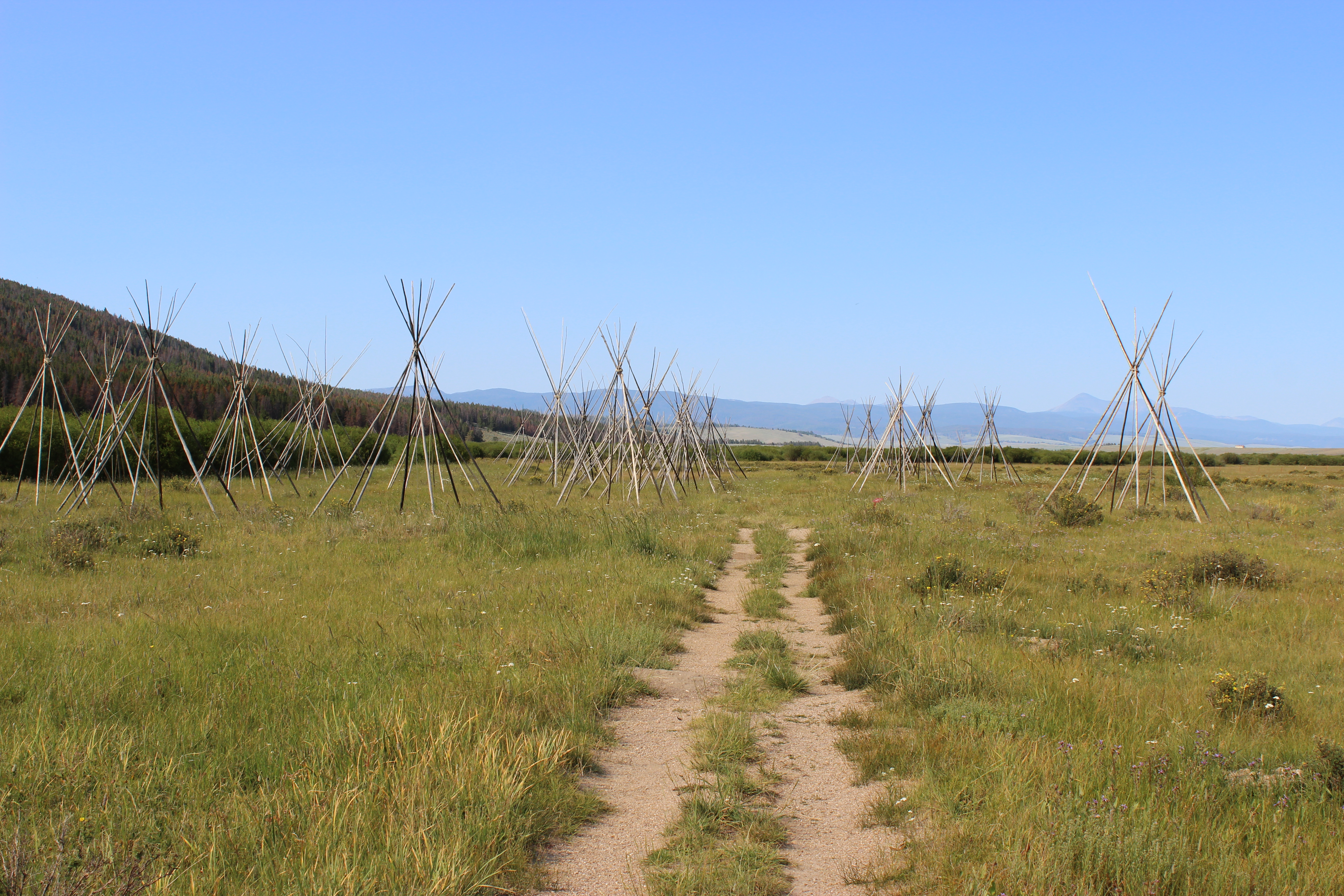
We passed several groups of youth Trekkers on the trail and got a feel for the boys’ teenage experience here with our neighborhood group. The Mormon visitor center is at the Sun Ranch by Devil’s Gate and the Martin Company moved from there to the cove in a heavy snowstorm with over a foot of snow on the ground in an attempt to shelter themselves somewhat from the storm and wait it out. I found the actual area much different from what I imagined from the accounts. This is why geography is so important to historians. I can read and imagine but whenever I get out on the actual ground of an historical event I am always surprised at how much my understanding of the event increases. When looking at the terrain from different vantage points it usually becomes obvious why the people made the choices they did and how the ground affected those choices. The original accounts called the sheltered area “Martin’s Ravine” and the name was later changed to Cove; I don’t know why.
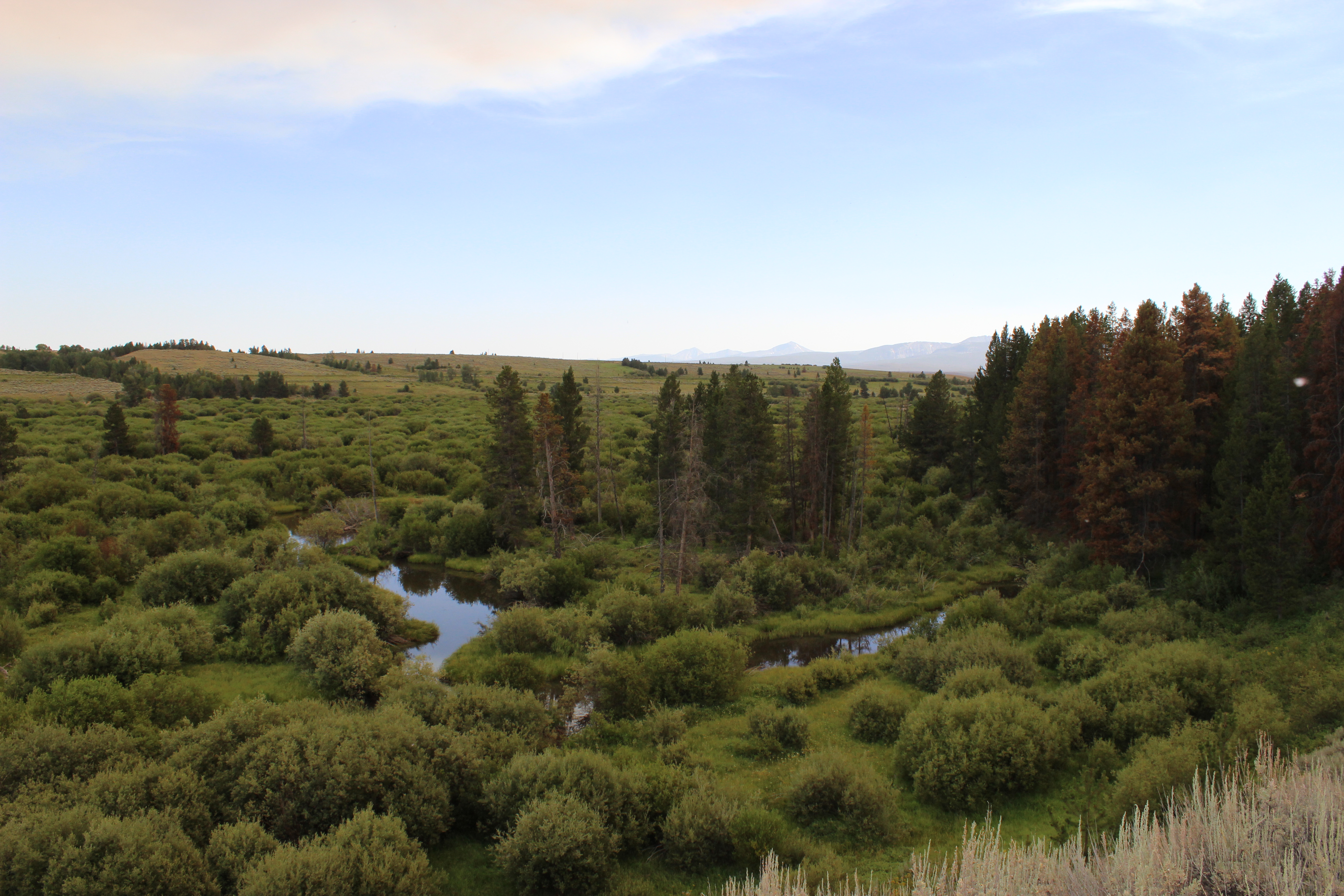
But it is totally a U-shaped ravine and they camped in the curved section which is at the far end of the ravine. When I saw it in person it made sense why they attempted the move, which was described as difficult and the members of the company unwilling due to the sub-zero temperatures, their exhaustion, and lack of rations for days. The rescuers encouraged them to do it, knowing their survival depended on it. The visit to the actual cove was profoundly moving and I’m very glad we went.
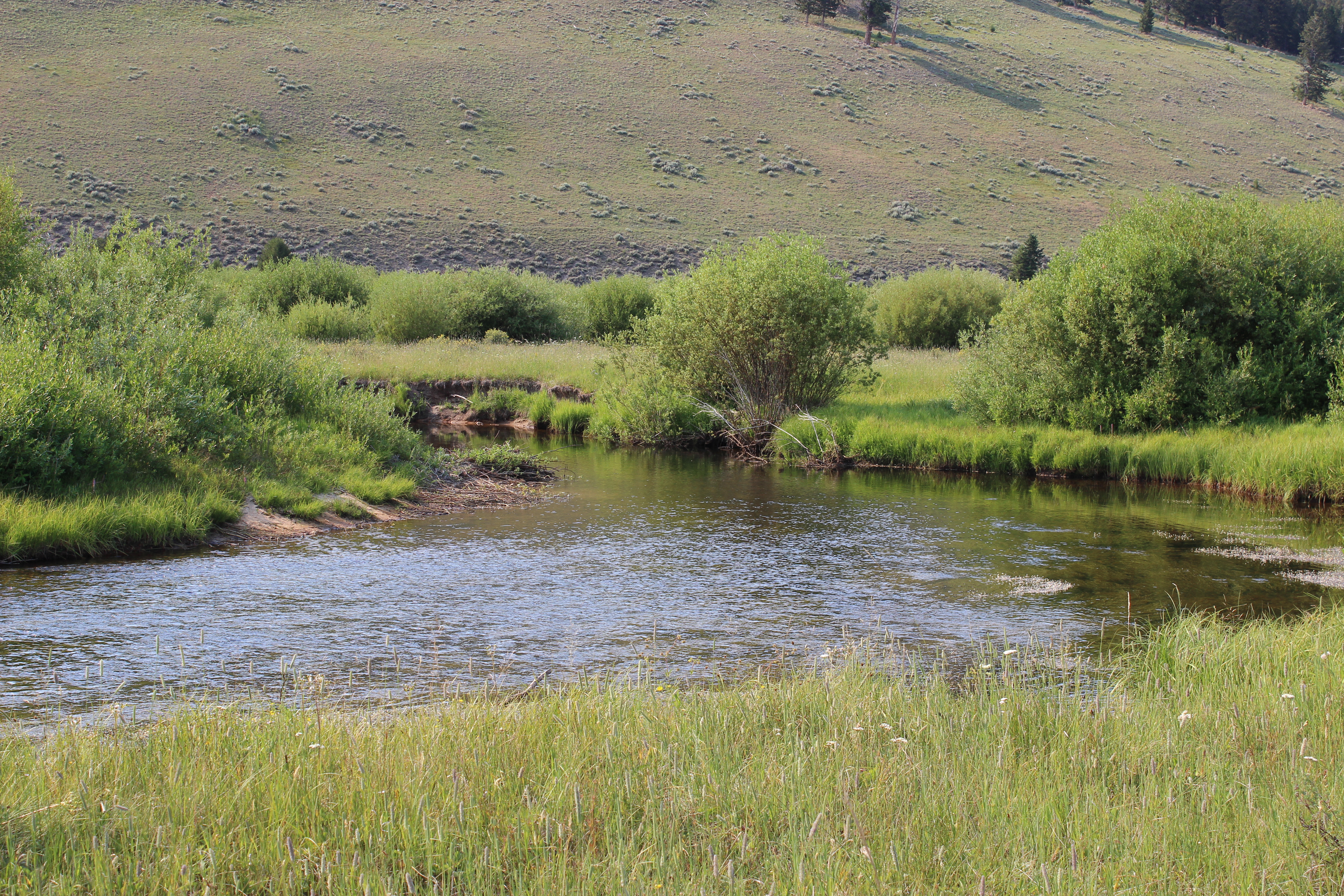
We hiked down from the cove and moved out along the sand trail by the Sweetwater River. It was slow going through the soft sand and my tennis shoes have a mesh top, so every step put sand into my shoes. By the time we reached the visitor center, all the loose area around my toes was filled with sand and they couldn’t wiggle. As we were slogging along this sand trail I made the observation to Scott that this was an interesting experience to actually be out on the prairie on foot. When you’re driving the interstate you can look around and see the vast expanses of the west and marvel at how big it is. But you cover a lot of ground at 70 mph and there are few places to get out and really walk, as there are fences lining the interstate and any walking areas are short trails along the road. We were out on the prairie and had been walking for a long time and when we looked around and it didn’t seem like we had gone very far in that big open space. I really got a sense of how far it must have been to walk 15 miles in a day and look back to see the same panorama and feel like you weren’t making much progress in that vast land. It was a moving experience I had not expected to have.